Get Industrial Roof Replacement
Industrial roof replacement services help property owners address leaks, damage, and aging roofs through projects involving commercial, warehouse, or manufacturing facility roof upgrades and repairs by local contractors.
If you are considering a roof replacement for an industrial property, you are in the right place to explore your options. Property owners often look into roof upgrades to improve building safety, enhance energy efficiency, or address aging materials that may no longer provide adequate protection. Understanding the practical reasons behind these projects can help inform your planning and ensure that your facility remains secure and operational for years to come.
Finding the right local contractors to handle industrial roof replacement is an important step in the process. Comparing different service providers in your area can help you evaluate their experience, quality of work, and reputation. Continuing to explore your options will assist in making an informed decision that aligns with your property's needs and long-term maintenance plans.
- Industrial Warehouse Roof Replacement - needed when the existing roof shows signs of extensive damage or aging that compromise structural integrity.
- Manufacturing Facility Roof Replacement - required when leaks, corrosion, or energy inefficiency become problematic for plant operations.
- Distribution Center Roof Replacement - necessary after severe weather events or years of wear lead to frequent roof failures.
- Factory Roof Replacement - essential when outdated roofing materials no longer meet safety or performance standards.
- Storage Facility Roof Replacement - sought when the roof's condition threatens the protection of stored goods and equipment.
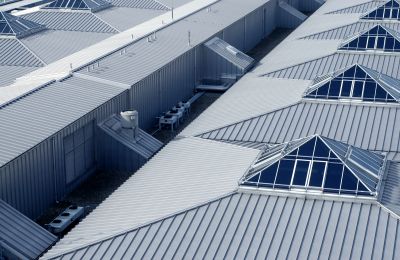
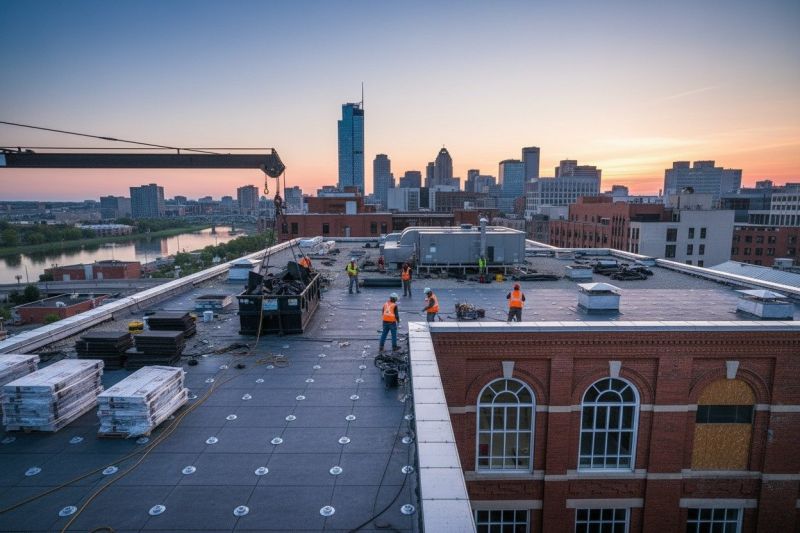
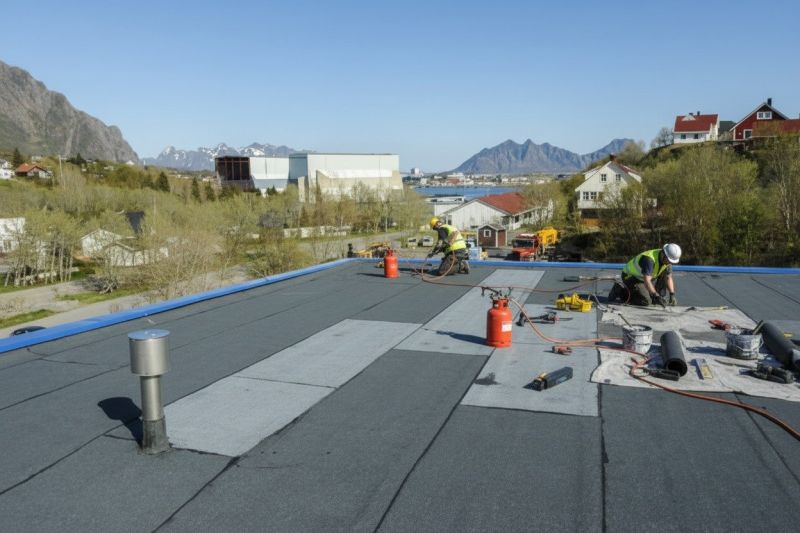
Industrial roof replacement services involve removing an existing roof structure and installing a new, more durable roofing system. This process typically includes assessing the current roof’s condition, removing damaged or outdated materials, and installing a modern roofing solution designed to meet the specific needs of the property. Experienced contractors ensure the new roof is properly sealed and secured, helping to improve the building’s overall safety, energy efficiency, and longevity. This service is essential when an existing roof has reached the end of its lifespan or has sustained significant damage that cannot be effectively repaired through patching or minor fixes.
Many problems can signal the need for an industrial roof replacement, including persistent leaks, extensive roof surface deterioration, or widespread rust and corrosion. Over time, exposure to weather elements can weaken roofing materials, leading to cracks, holes, or compromised insulation. These issues can result in increased energy costs, water damage, and potential safety hazards for the property’s interior. Replacing the roof can eliminate ongoing repair costs and prevent further deterioration, providing a long-term solution that restores the building’s structural integrity and protects its contents.
Industrial properties that typically require roof replacement include warehouses, manufacturing plants, distribution centers, and large commercial facilities. These structures often feature flat or low-slope roofs that are more susceptible to water pooling and damage over time. Properties with aging roofing systems or those that have experienced severe weather events are particularly likely to benefit from replacement services. Additionally, facilities seeking to upgrade to more energy-efficient or environmentally resilient roofing materials may consider a full roof replacement as part of their property improvement plans.
Understanding when a roof replacement is necessary can help property owners avoid costly repairs and potential disruptions. Signs such as frequent leaks, visible signs of wear, or a roof that is visibly sagging or bubbling indicate that the existing roof may no longer be providing adequate protection. Local contractors who specialize in industrial roof replacement can evaluate the condition of a roof and recommend the most effective solution. Contacting experienced service providers can ensure that the work is completed correctly, helping to safeguard the building’s value and functionality over the long term.
The overview below groups typical Industrial Roof Replacement projects into broad ranges so you can see how smaller, mid-sized, and larger jobs often compare in your area.
In many markets, a large share of routine jobs stays in the lower and middle ranges, while only a smaller percentage of projects moves into the highest bands when the work is more complex or site conditions are harder than average.
Smaller Repairs - typical costs for minor roof repairs usually range from $250 to $600, covering patching leaks or replacing small sections. Many routine jobs fall within this middle range, depending on the extent of the damage. Fewer projects reach the higher end of this spectrum.
Medium-Scale Replacements - replacing a significant portion of an industrial roof generally costs between $3,000 and $7,000. Larger, more complex projects can exceed this range, but most fall within these typical bounds. Local contractors can provide detailed estimates based on specific needs.
Full Roof Replacement - complete replacement of an industrial roof often ranges from $10,000 to $50,000 or more, depending on size, materials, and complexity. Many full replacements are priced within this range, with the highest costs reserved for large or intricate structures.
High-End or Complex Projects - very large or specialized roof replacements, such as those involving custom materials or challenging access, can reach $100,000+ in some cases. These projects are less common and typically represent the upper tier of costs for industrial roof work.
Actual totals will depend on details like access to the work area, the scope of the project, and the materials selected, so use these as general starting points rather than exact figures.
Commercial Roofing Repairs - local contractors skilled in repairing and replacing large-scale roofing systems for commercial buildings share techniques used in industrial roof replacement projects.
Warehouse Roofing Installations - projects involving the installation of durable, weather-resistant roofs on warehouses utilize similar planning and roofing skills as industrial roof replacements.
Metal Roof Replacement - replacing or installing metal roofing systems requires specialized tools and planning comparable to industrial roof upgrade projects.
Flat Roof Restoration - restoring flat roofs in commercial settings involves surface preparation and waterproofing techniques similar to those used in industrial roof replacements.
Building Envelope Upgrades - upgrading insulation and weatherproofing in large commercial structures often involves roofing work akin to industrial roof replacement services.
Roof Leak Detection and Repair - identifying and fixing leaks in large roofing systems demands diagnostic skills and repair methods applicable to industrial roof projects.
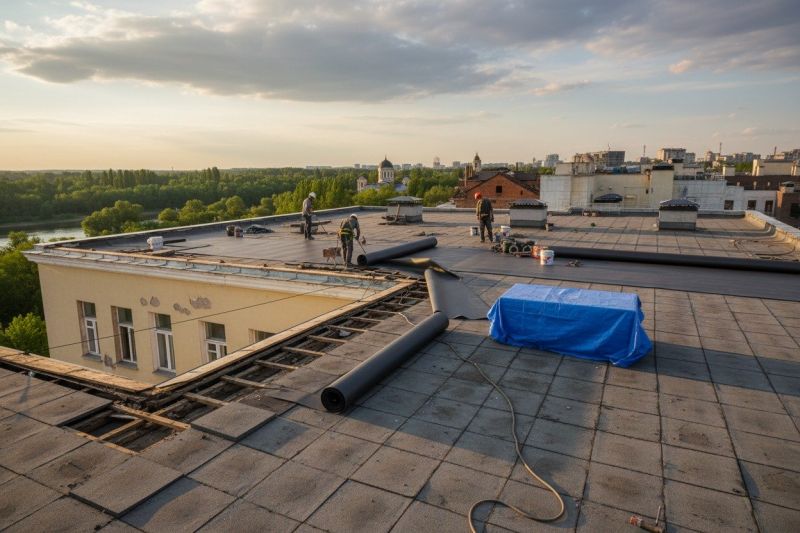
When comparing local contractors for industrial roof replacement, it’s important to consider their experience with similar projects. A contractor who has handled roofs of comparable size, material, or complexity is more likely to understand the unique challenges involved and deliver quality results. Homeowners should inquire about the types of industrial roofs the service providers have worked on and seek clarity on their familiarity with the specific requirements of large-scale or specialized roofing systems. This focus on relevant experience helps ensure that the chosen contractor can meet the demands of the project effectively.
Clear, written expectations are essential when evaluating potential service providers. Homeowners should look for contractors who provide detailed proposals that outline the scope of work, materials to be used, and the steps involved in the project. Having this information in writing helps prevent misunderstandings and provides a basis for comparing different options. It also demonstrates that the contractor is transparent about their process and committed to establishing a shared understanding of the work to be performed.
Reputable references and good communication are key indicators of a trustworthy local contractor. Asking for references from previous clients who had similar projects can provide insights into the contractor’s reliability, quality of work, and professionalism. Additionally, a service provider who communicates clearly and promptly is more likely to be responsive to questions and concerns throughout the process. These qualities help homeowners feel confident that they are working with a qualified and dependable professional capable of managing their industrial roof replacement needs effectively.
Property owners use Industrial Roof Replacement services for practical projects around their homes and businesses. This guide focuses on everyday jobs and straightforward project options.
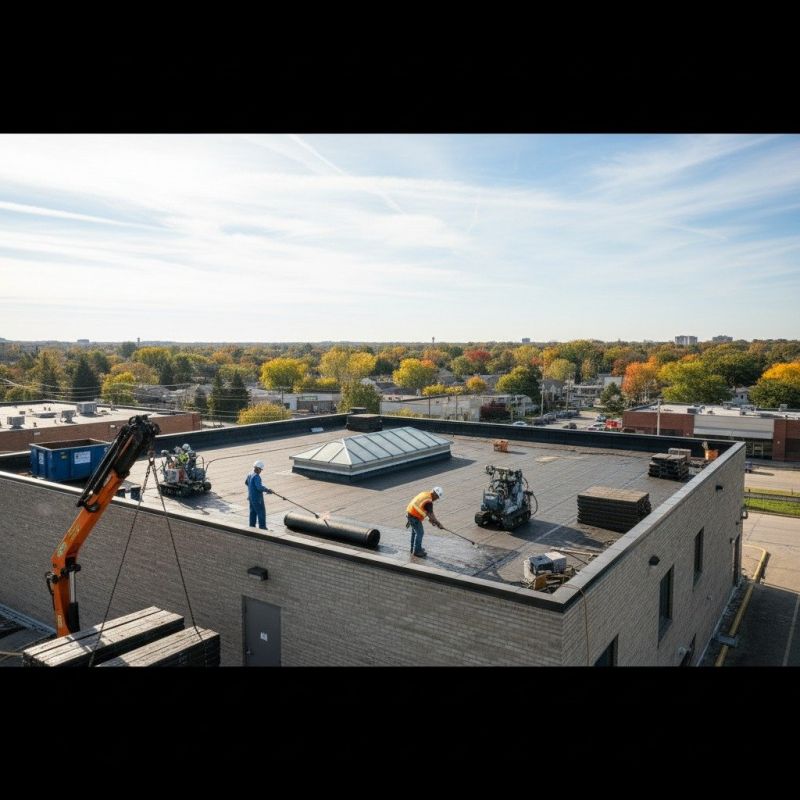
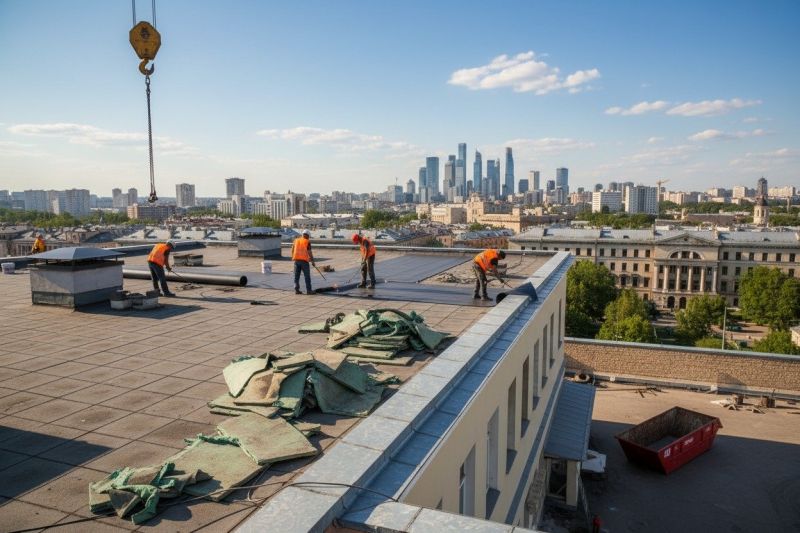
Industrial roof replacement services are often needed when property owners notice leaks, persistent damage, or signs of aging on their commercial or industrial roofs. These situations can lead to concerns about water intrusion, structural integrity, or increased energy costs. Local contractors can assess these issues and provide solutions to restore the roof’s performance, helping property owners maintain safety and functionality without disruption to their daily operations.
Property owners in the area may also seek roof replacement services when their current roofing materials have become worn or outdated, or if repairs are no longer sufficient to address ongoing problems. Choosing experienced local service providers ensures that the job is handled efficiently and effectively, supporting the long-term durability of the building and minimizing future maintenance needs.
What are the signs that a roof needs replacement? Indicators include visible damage such as leaks, missing or damaged shingles, and significant wear or aging that compromise the roof's integrity.
What types of roofing materials are suitable for industrial roof replacement? Common options include metal, built-up roofing, thermoplastic, and thermoset membranes, depending on the building's needs and existing structure.
How do local contractors determine if a roof needs replacement rather than repair? They assess the extent of damage, age, and overall condition of the roof to recommend the most effective solution-repair or replacement.
Are there any permits or regulations required for industrial roof replacement? Permit requirements vary by location; local service providers can help ensure compliance with relevant codes and regulations.
What maintenance is recommended after an industrial roof replacement? Regular inspections, keeping gutters clear, and addressing minor issues promptly can help extend the roof's lifespan.
Commercial Roof Replacement - Property owners can explore options to replace aging or damaged roofs on warehouses and retail spaces to maintain safety and functionality.
Industrial Roof Repairs - Facility managers might consider roof replacement when repairs become frequent, helping to prevent further damage and extend roof lifespan.
Leak Prevention Solutions - Business owners can upgrade their roofs to prevent leaks that could disrupt operations or cause interior damage.
Energy Efficiency Improvements - Property owners may replace roofs with more efficient materials to improve insulation and reduce energy costs.
If you are thinking about Industrial Roof Replacement for a property, this guide is meant to help you understand the work, the typical project types, and how different options might fit your plans.
When you are ready, you can use the quote form on this page to share a few details about your project. From there, local pros can review the basics and respond with options that match what you have in mind.